
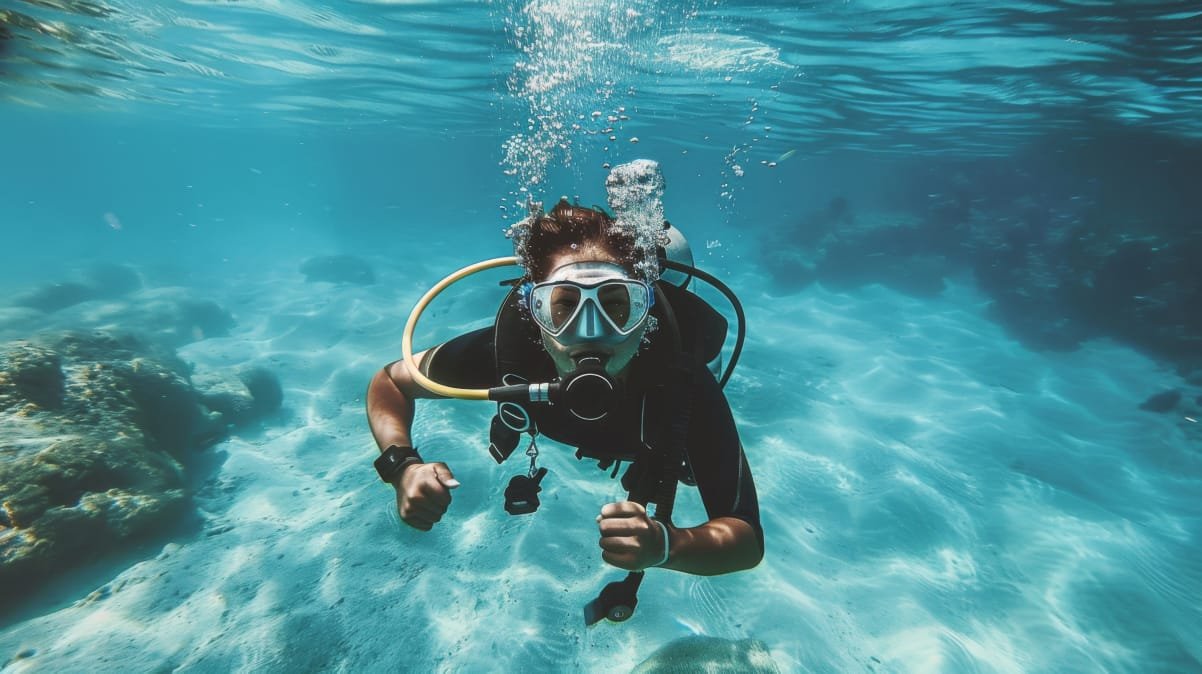
For a dive center, attracting customers in your local area or destination is essential for consistent business growth. Whether you offer beginner scuba diving experiences, professional certification courses, reef dives, or guided underwater adventures, potential customers need to find your business when searching online.
Today, many divers use Google Search and Google Maps to discover dive centers, compare services, read reviews, and contact businesses. If your dive center is not visible in relevant local search results, you may be missing opportunities to connect with potential customers.
At Techomediahouse, we help dive centers, diving schools, and scuba diving businesses strengthen their online presence through strategic local SEO. Our goal is to improve your business visibility, attract relevant visitors, and create opportunities for more inquiries and bookings.
In this guide, we explain how local SEO works for dive centers and the strategies we use to support long-term digital growth.
What Is Local SEO for Dive Centers?
Local SEO for dive centers is the process of optimizing a diving business’s online presence to improve its visibility in geographically relevant searches.
For example, a potential customer might search for:
- Scuba diving near me
- Dive center in Bali
- PADI course in Phuket
- Scuba diving lessons in Miami
- Best dive school in [location]
These searches can indicate that the user is looking for a nearby provider or a business operating in a specific destination.
Our local SEO strategy focuses on helping Google understand your business, its services, and its location while making your website more useful to potential customers.
Google states that local results are primarily based on relevance, distance, and prominence. These factors influence how businesses are matched with local searches.
Google Business Profile Help
Why Local SEO Matters for Dive Centers
Diving businesses often operate in locations where customers actively search for activities and experiences. Travelers may research dive operators before their trip, while local residents may search for certification courses or regular diving services.
A well-planned local SEO campaign can help your business work toward:
- Improved visibility in Google Search and Maps
- More relevant website traffic
- Greater awareness among tourists and local customers
- Increased inquiries for diving courses and trips
- Better access to service-related search opportunities
- Stronger online trust through accurate information and reviews
Local SEO does not guarantee higher rankings or a specific number of bookings. Instead, it builds a foundation for reaching people whose searches are relevant to your business.
1. Optimize Your Google Business Profile
Google Business Profile is a central part of our local SEO process for eligible dive centers. We review and optimize key business information, including:
- Business name
- Primary business category
- Address and service details
- Opening hours
- Phone number
- Website link
- Business description
- Services
- Photos and videos
We ensure that the information reflects the actual business and follows Google’s guidelines.
Google recommends complete and accurate business information to help its systems understand the relevance of a business to local searches. Google also advises businesses to use accurate names, addresses, and categories.
For a diving school, relevant information might include beginner courses, certification training, guided dives, and other services genuinely offered by the business.
2. Target Location-Based Keywords
Keyword research helps us identify how potential customers search for diving services in specific areas.
Instead of focusing only on broad keywords such as “scuba diving,” we develop location-specific keyword groups.
Examples of local keywords:
- Dive center in [city]
- Scuba diving in [destination]
- Diving school near [location]
- Beginner scuba diving in [city]
- PADI certification in [destination]
- Scuba diving trips near [location]
We evaluate search intent, competition, location relevance, and the services offered by the business.
For example, a dive center offering certification courses should have content that addresses course-related searches, while a recreational dive operator may focus on dive trips and experiences.
Our objective is to match the right keyword with the right page so that users can quickly find information relevant to their needs.
3. Create Location-Specific Service Pages
A dive center may offer multiple services, and each service can have its own search intent.
At Techomediahouse, we assess whether dedicated pages would help users understand the business and its offerings.
Examples include:
- Scuba Diving in [Location]
- Beginner Scuba Diving
- PADI Certification Courses
- Guided Reef Diving
- Wreck Diving Experiences
- Scuba Diving Trips
Each page should provide useful, original information about the service. We optimize the page title, headings, content, internal links, images, and calls to action where appropriate.
For businesses operating in multiple genuine locations, we can also develop location-specific pages when they offer meaningful value to users. We avoid creating repetitive location pages that contain little unique information.
The purpose is to build relevant landing pages that answer customer questions and support inquiries.
4. Build a Review and Reputation Strategy
Customer reviews can influence how potential divers evaluate a business before booking.
A visitor may want to know whether an instructor is professional, whether the equipment is well maintained, or whether previous customers had a positive experience.
We help businesses establish a process for requesting genuine customer feedback and responding professionally to reviews.
Our review-focused work may include:
- Developing review-request workflows
- Monitoring customer feedback
- Supporting timely responses
- Identifying recurring customer concerns
- Improving consistency in online business information
Google explains that reviews and positive ratings can contribute to local prominence, while responses demonstrate that a business values customer feedback.
We do not encourage fake reviews, incentivized manipulation, or misleading claims. Authentic customer experiences are important for long-term reputation.
5. Improve Website On-Page SEO
Your website should provide clear information about what your dive center offers and where you operate.
Our on-page SEO process includes reviewing:
- Title tags and meta descriptions
- H1 and supporting headings
- Service-page content
- Internal linking
- Image alt text
- Contact information
- Conversion elements
- Mobile usability
For example, a page targeting “scuba diving in [location]” should explain the available experiences, relevant requirements, meeting points, booking process, and other information customers need.
We also make sure visitors can easily find contact forms, phone numbers, and booking options.
Good on-page SEO combines search relevance with a clear customer experience rather than relying on keyword repetition.
6. Strengthen Local Citations and Business Information
Local citations are mentions of a business’s information across relevant directories and websites.
We review business information across appropriate platforms to identify inconsistencies, outdated details, and missing opportunities.
Depending on the market, these may include:
- Local business directories
- Tourism directories
- Diving industry websites
- Travel-related platforms
- Relevant local organizations
We prioritize accurate business details and relevant sources rather than submitting the business to large numbers of unrelated directories.
Google gathers business information from multiple sources, including publicly available websites, third parties, users, and business owners. Maintaining consistent and accurate information can help support a reliable online presence.
7. Develop Local Content That Attracts Divers
Content marketing supports local SEO by addressing questions customers ask before choosing a diving provider.
At Techomediahouse, we create content strategies based on the destination, services, and audience.
Examples of blog topics:
- Best Time to Go Scuba Diving in [Location]
- What to Expect From Your First Dive
- Beginner’s Guide to Scuba Diving in [Destination]
- How to Choose a Dive Center
- Best Dive Sites Near [Location]
- PADI SSI: Which Course Is Right for You?
These topics can attract users at different stages of the decision-making process.
We connect relevant blog posts to service pages through internal links, helping visitors move from educational content toward useful service information.
The content should reflect the business’s actual expertise and provide accurate, helpful information. We avoid publishing generic articles solely to increase keyword counts.
8. Focus on Technical SEO and Mobile Experience
Many customers research diving activities from mobile devices while traveling or planning trips.
A website that loads slowly, displays poorly on mobile, or makes it difficult to contact the business can create friction.
Our technical SEO review may cover:
- Mobile usability
- Website speed
- Crawlability
- Indexation
- Broken links
- XML sitemaps
- Canonical tags
- Redirects
- Structured data
- Image optimization
We also review whether important service pages can be accessed and understood by search engines.
Google’s technical guidance emphasizes making content accessible to search engines and ensuring that pages can be discovered and indexed.
The exact technical priorities depend on the website’s current condition and business goals.
9. Track Local SEO Performance
A local SEO campaign should be evaluated using meaningful performance indicators.
We use tools such as Google Search Console, Google Analytics, and available Business Profile performance data to understand how customers discover and interact with the business.
We may track:
- Organic impressions
- Organic clicks
- Search queries
- Local keyword visibility
- Website engagement
- Phone inquiries
- Contact form submissions
- Booking-related conversions
- Business Profile interactions
Google Business Profile performance reporting can provide information about searches, views, calls, website clicks, directions, and other available interactions.
We use these insights to identify opportunities and refine the SEO strategy over time.
Expected Results From Local SEO for Dive Centers
Local SEO results depend on factors such as the business’s location, competition, website authority, service demand, and starting performance.
At Techomediahouse, we set realistic objectives rather than promising guaranteed rankings or bookings.
Initial 1–3 months:
- Business Profile audit and optimization
- Keyword research and service mapping
- Website on-page improvements
- Technical SEO issue identification
- Initial improvements in search visibility where achievable 3–6 months:
- Growth in relevant search impressions
- Progress across targeted local keywords
- Improved visibility for optimized service pages
- Better tracking of inquiries and website interactions 6–12+ months:
- Development of stronger local content coverage
- Continued optimization of important service pages
- Potential growth in qualified organic traffic
- Improved measurement of organic lead opportunities
These are planning timeframes, not guaranteed outcomes. Results should be assessed using baseline data, competitive conditions, and actual business conversions.
Why Choose Techomediahouse for Local SEO?
At Techomediahouse, we develop SEO strategies designed around the specific needs of dive centers and diving businesses.
Our approach combines:
- Local SEO
- Keyword research
- Google Business Profile optimization
- Technical SEO
- On-page optimization
- Content strategy
- Internal linking
- Relevant authority building
- Conversion tracking
We focus on understanding your services, destination, audience, and business objectives before prioritizing optimization activities.
Whether you operate a diving school, recreational dive center, or scuba tour business, we aim to help you build a stronger search presence and connect with relevant customers.
Conclusion
Local SEO for dive centers is a long-term strategy for improving online visibility and creating opportunities to attract more relevant customers. From Google Business Profile optimization and location-based keyword research to service-page improvements, content marketing, and performance tracking, each component contributes to a structured digital marketing approach.
At Techomediahouse, we help diving businesses build an SEO foundation that supports discoverability, trust, and measurable business growth.
Ready to improve your dive center’s local visibility?
Contact Techomediahouse to discuss a customized local SEO strategy for your diving business.